5 min read
Let's Go #GotYour6!
Swords was proud to co-host the inaugural Bob Woodruff Foundation National Got Your 6 Summit with the foundation and Craig Newmark Philanthropies.
Read more
October 1, 2026


Planned giving is a savvy way to provide a powerful gift for generations of veterans to come.
Most of us don't like to think about what happens after we're gone. It's uncomfortable, it feels far away, and there's always something more urgent on the to-do list. But somewhere in the back of your mind, a question may sit quietly: what happens to everything I've built once I'm no longer here to steward it?
Planned giving — sometimes called legacy or estate giving — is one answer to that question. It's a way of saying that the causes you cared about in life don't have to stop being supported once you're gone.
It's any charitable gift that's arranged now but given later, usually through a will, a trust, or a beneficiary designation on a retirement account, life insurance policy, donor-advised fund, or investment account. Some donors leave a specific dollar amount. Others leave a percentage of their estate, or what's left after they've taken care of family first.
None of these gifts cost you anything while you're alive. You keep full use of your assets, your accounts, your home, your savings. The gift only takes effect later, on your terms, and it can be changed any time your circumstances do.
A legacy gift or charitable bequest is one of the few financial decisions that lets you think past your own lifetime. It's a chance to answer, concretely, what you want to be remembered for. For many of our donors, that's tied to something personal: a veteran in the family or a belief that people who served shouldn't come home to a system that fails them. A planned gift turns that belief into something that keeps working long after any one campaign or generation.
Here's the myth worth retiring: planned giving isn't just for the wealthy. It's for anyone who has a will, a retirement account, or a life insurance policy. It's for the people who've given steadily for years, who believe in this work, and who want that belief to outlast them.
There are practical benefits too: tax advantages and the ability to give a larger gift than might be possible from your current income. If you're 70½ or older, you can also give directly from an IRA and avoid income tax on that gift — one of the few options here that doesn't require waiting until you're gone.
Legacy gifts give Swords to Plowshares something rarer than any single gift: the ability to plan for the next generation of veterans.
Ideally, an organization like ours wouldn't need to exist fifty years from now. We'd like nothing more than to work ourselves out of a job. But as long as there are wars, there will be veterans coming home carrying visible and invisible wounds, and someone needs to be there for them. A legacy gift is a way of making sure that if this work is still needed, Swords will still be here to do it — housing veterans, securing VA benefits, and fighting for equitable access to care.
Donors who make this kind of commitment become part of our Veterans Legacy Circle — a recognition of the people who've decided their support for veterans shouldn't end with their lifetime.
In 2020, Rich and Karen McCann chose to list Swords to Plowshares as a beneficiary in their will, thereby leaving us a future gift. Rich is a Vietnam combat veteran who served three years of active duty in the U.S. Navy and another 21 years in the Navy Reserve. Rich and Karen believe the government does a lot for veterans, but that some people still fall through the cracks when they come home. So they went looking for a local organization that would fill in those gaps, and found us!
Why did you choose to support Swords to Plowshares?
Rich: “I don’t think a lot of people understand that when you go into the military, you’re taught how to kill someone. You go into a conflict of some form, then you come back and are expected to adjust some sort of way. It’s easier said than done for many people. Most people don’t understand. A lot of veterans don’t know where to go or what’s available to them, and that’s where Swords comes in.”
Karen: “Rich always felt responsible for those under his command, and I think still feels responsibility for those here and now. Swords is doing something about the homelessness crisis. It’s very practical, very direct, very effective.”
Was there a particular moment that led you to include Swords in your will?
Rich: “I don’t think there was a moment, I think it was an evolution. We started reading what was happening to vets, and the fact that we felt they were falling through the cracks. The government does certain things well, but other things they don’t. I’m not comfortable with us standing on the sidelines. I really admire what you folks are doing and what the founders did when they saw a need and decided to do something about it.”
Karen: “What you do is so important. You deal a lot with the invisible, but deep trauma, and that’s a big part of the reason why folks are on the street. It starts with respect and respecting people rather than just thinking of them as homeless.”
Why did you choose planned giving as your way of supporting Swords?
Rich: “You get to a certain age in your life, realize you got a certain amount of time left, and you ask yourself, ‘What’s my responsibility?’ It’s nice to know our funding will be put to use after we’re gone. We’re happy to contribute where we can to the betterment of our community, and veterans are a big part of that.”
What would you say to others who are considering a planned gift to Swords?
Rich: “If your intent is to be involved in planned giving, I can’t think of a better organization. That’s the way we feel.”
The first step is simply having a will. If cost or time has been the holdup, free online tools like FreeWill can walk you through creating a legally valid will in about 20 minutes, no attorney required.
Thinking about your legacy isn't a morbid exercise. It's one of the most hopeful things you can do — a way of saying that the world you want to leave behind is worth planning for.
If you'd like to learn more about joining the Veterans Legacy Circle, talk through your options, or let us know you've already included Swords to Plowshares in your plans, reach out to development@stp-sf.org.
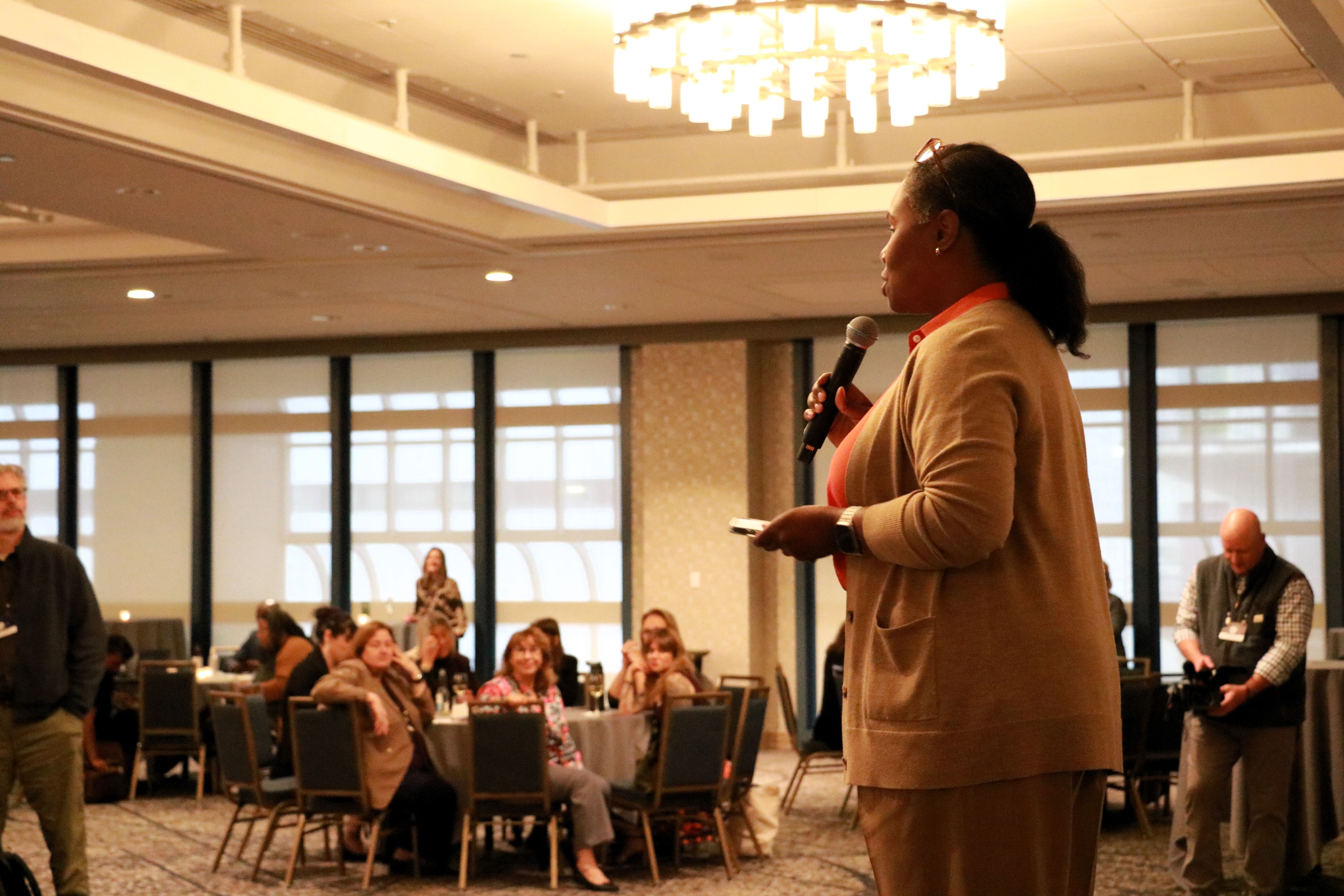
Swords was proud to co-host the inaugural Bob Woodruff Foundation National Got Your 6 Summit with the foundation and Craig Newmark Philanthropies.
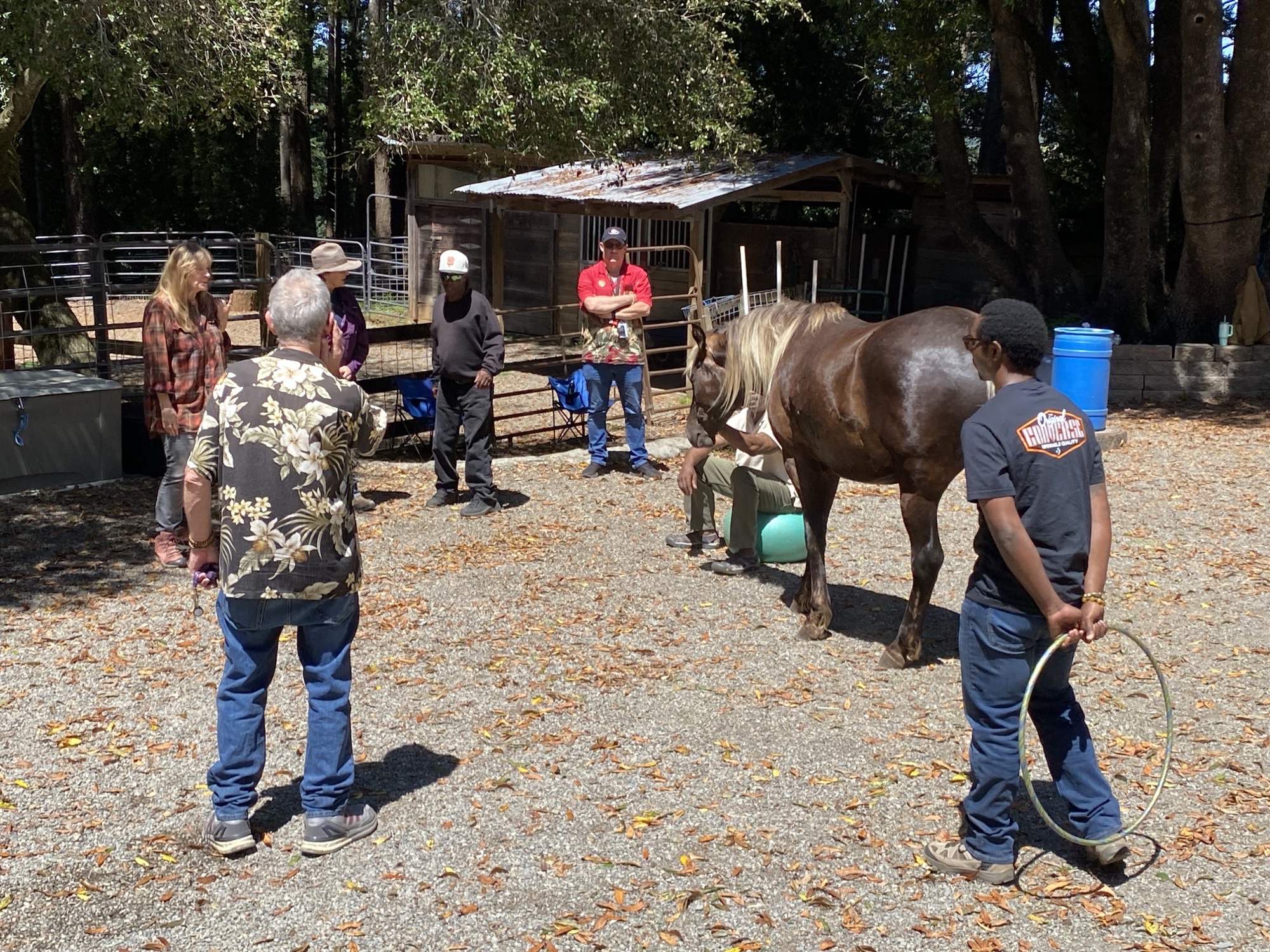
The non-clinical approach to mental healthcare brings veterans a heartwarming way to heal.
Veterans’ stories, updates, and impact, delivered to you each month.

.svg)
.svg)