5 min read
Let's Go #GotYour6!
Swords was proud to co-host the inaugural Bob Woodruff Foundation National Got Your 6 Summit with the foundation and Craig Newmark Philanthropies.
Read more
October 1, 2026

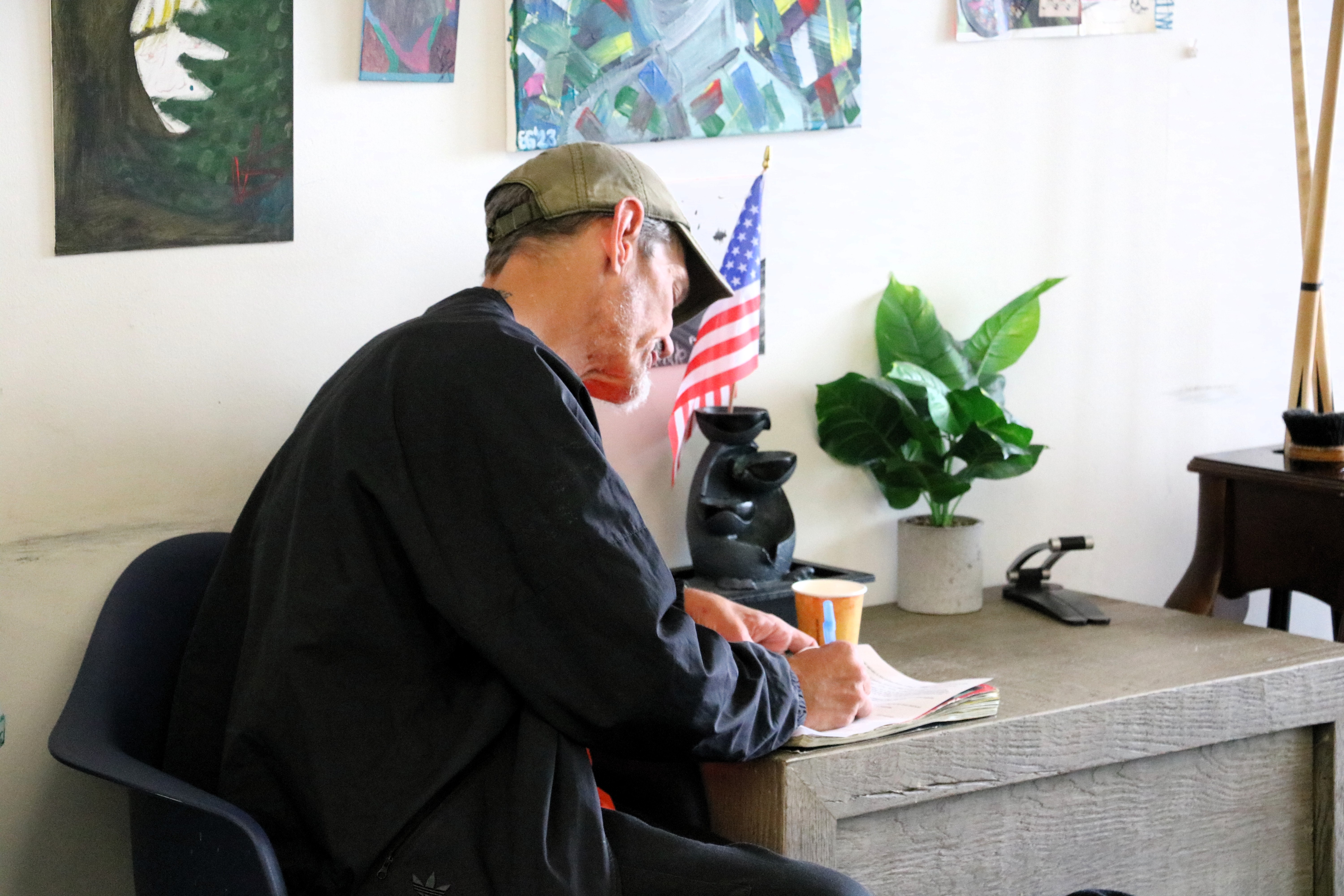
We're concerned this bill package will increase VA privatization and set up a legislative precedent that weakens future VA healthcare benefits.
VA healthcare benefits are not a government giveaway. Disability income isn't a bonus. For 9 million veterans, it is compensation for injuries, illnesses, and disabilities connected to military service. For generations, veterans have fought to establish and protect these benefits – and that fight continues this summer.
Recently, Swords to Plowshares joined a coalition of veterans organizations across the political spectrum, opposing the current version of the Take Care of America's Veterans Act (TCAVA). On the surface, the package of over 60 bills contains several provisions veterans groups have supported for years. But hidden within are provisions that could reduce disability benefits for future veterans and shift more care to the private sector.
Currently, Congress has paused the vote on TCAVA, thanks to strong opposition to Section 108. Now is a good time to also point out there's more inside it that are sounding alarm bells.
TCAVA includes provisions that may further shift resources away from the VA, including:
Section 108 sparked strong concern because it would set a historic precedent: it proposes to eliminate or reduce disability ratings for future veterans with sleep apnea and tinnitus – conditions that often follow other service-connected conditions such as PTSD, traumatic brain injury, and toxic exposures.
Section 108 writes the reduction of a service-connected disability rating directly into law to fund other VA healthcare spending. This is the first time Congress has ever tried doing that with VA benefits. Along with other advocates, we worry that if TCAVA passes as it's now written, the door opens for future lawmakers – setting a precedent that it's ok to reduce benefits as a way to offset costs whenever they need to balance a budget or pay for a new program.
Most veterans who would be impacted by TCAVA largely haven't even filed VA claims yet. Many post-9/11 veterans left service before the full impact of their injuries was understood. A Marine dealing with blast exposure, a Navy veteran whose sleep apnea worsens over time, or a reservist whose service-connected injuries surface years after discharge could all find themselves facing reduced benefits if this package passes as it is.
At Swords, we've spent more than 50 years helping veterans secure the benefits they've earned. We've seen how difficult the process can be and how transformative those benefits are when they finally arrive. Veterans should not have to worry that the rules will change halfway through the game or that their earned benefits will become a funding source for other priorities.
Let's push Congress to support important VA improvements without making veterans pay for them. Constituent calls and emails make a real difference — we encourage you to stand up and contact your local lawmaker to urge them to protect veterans' disability benefits and healthcare.
By phone (aim for 30–60 seconds):
"Hi, my name is [name] and I'm a constituent from [city]. I'm calling to urge [Senator/Representative name] to oppose the Take Care of America's Veterans Act. The bill looks like a package of veteran benefits, but buried in it are provisions that would expand VA privatization — shifting veterans' care away from the VA system and toward private contractors. Veterans deserve a strong, fully funded VA, not a bill that quietly undermines it. I'd like to know where [Senator/Representative name] stands, so I can remember during the next election. Thank you."
By email or web form:
"I'm writing as a constituent to ask you to oppose H.R. 9237, the Take Care of America's Veterans Act. While the bill is presented as a broad expansion of veterans' benefits, it contains provisions that would accelerate privatization of VA health care. Privatization shifts veterans into a fragmented system that lacks the specialized experience the VA provides. Veterans who served this country deserve direct, dedicated care. I urge you to vote no on TCAVA. Thank you."

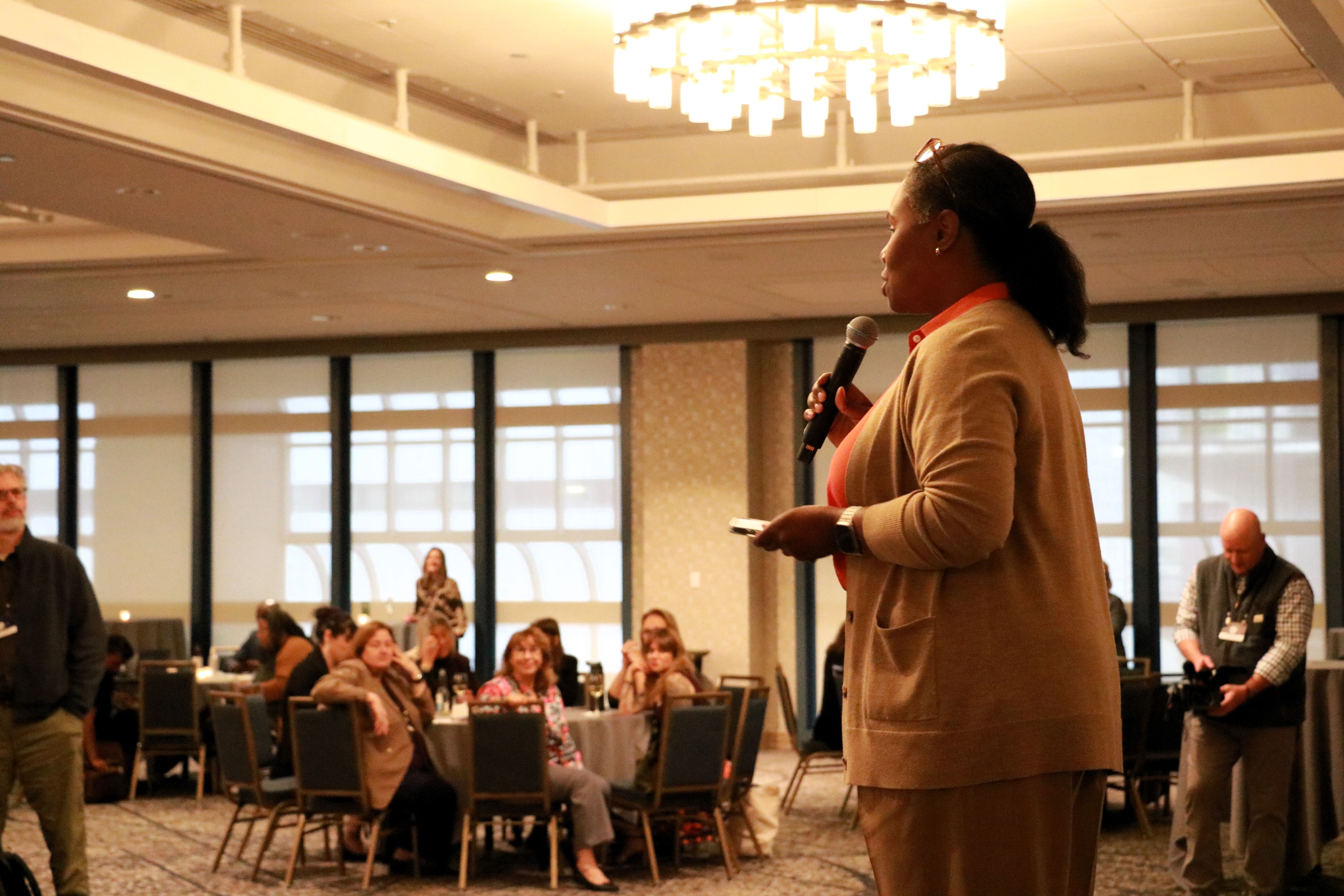
Swords was proud to co-host the inaugural Bob Woodruff Foundation National Got Your 6 Summit with the foundation and Craig Newmark Philanthropies.
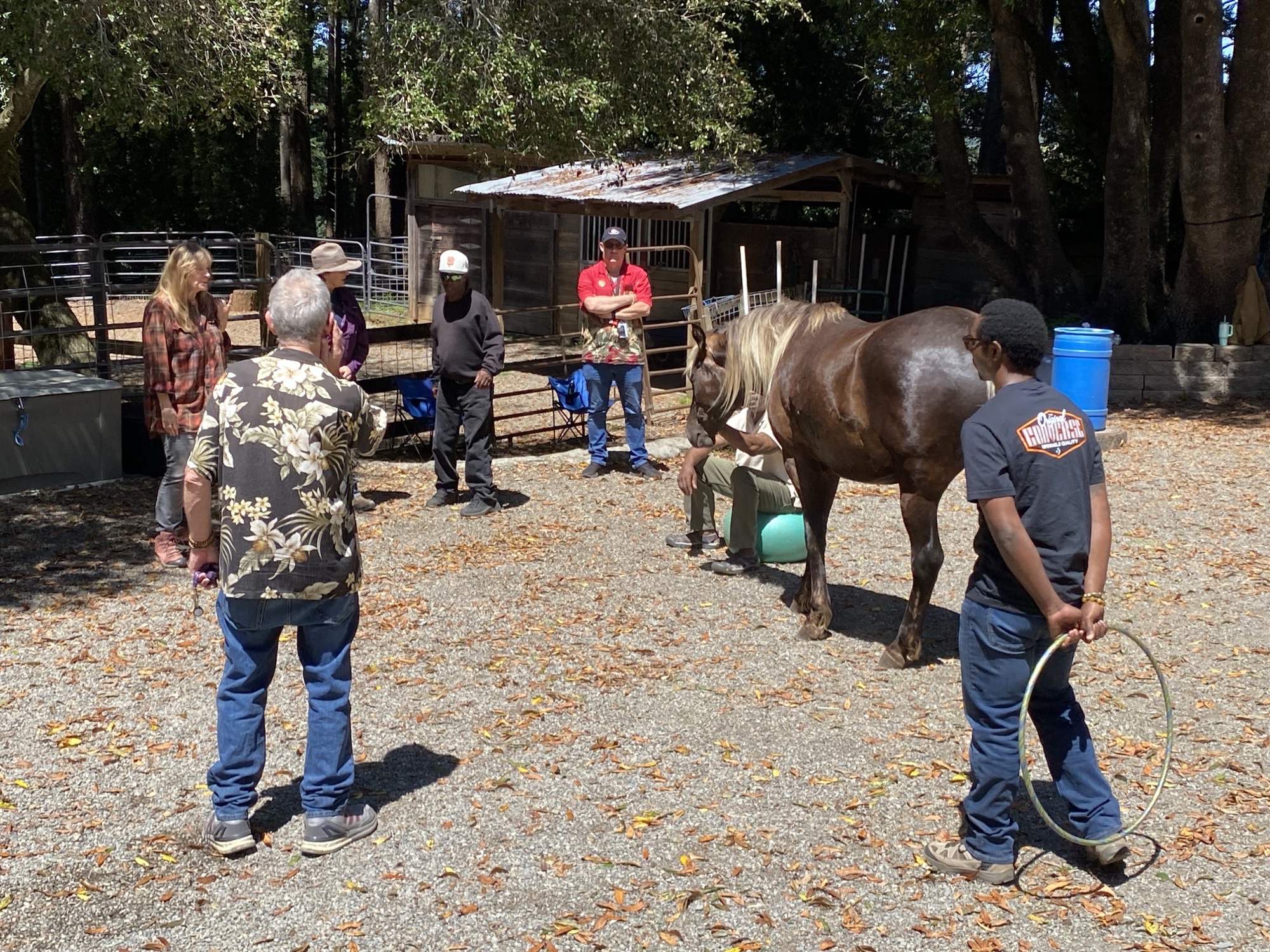
The non-clinical approach to mental healthcare brings veterans a heartwarming way to heal.
Veterans’ stories, updates, and impact, delivered to you each month.

.svg)

.svg)