5 min read
Let's Go #GotYour6!
Swords was proud to co-host the inaugural Bob Woodruff Foundation National Got Your 6 Summit with the foundation and Craig Newmark Philanthropies.
Read more
October 1, 2026

Tyler Solorio is a U.S. Army veteran and policy analyst at Swords to Plowshares.
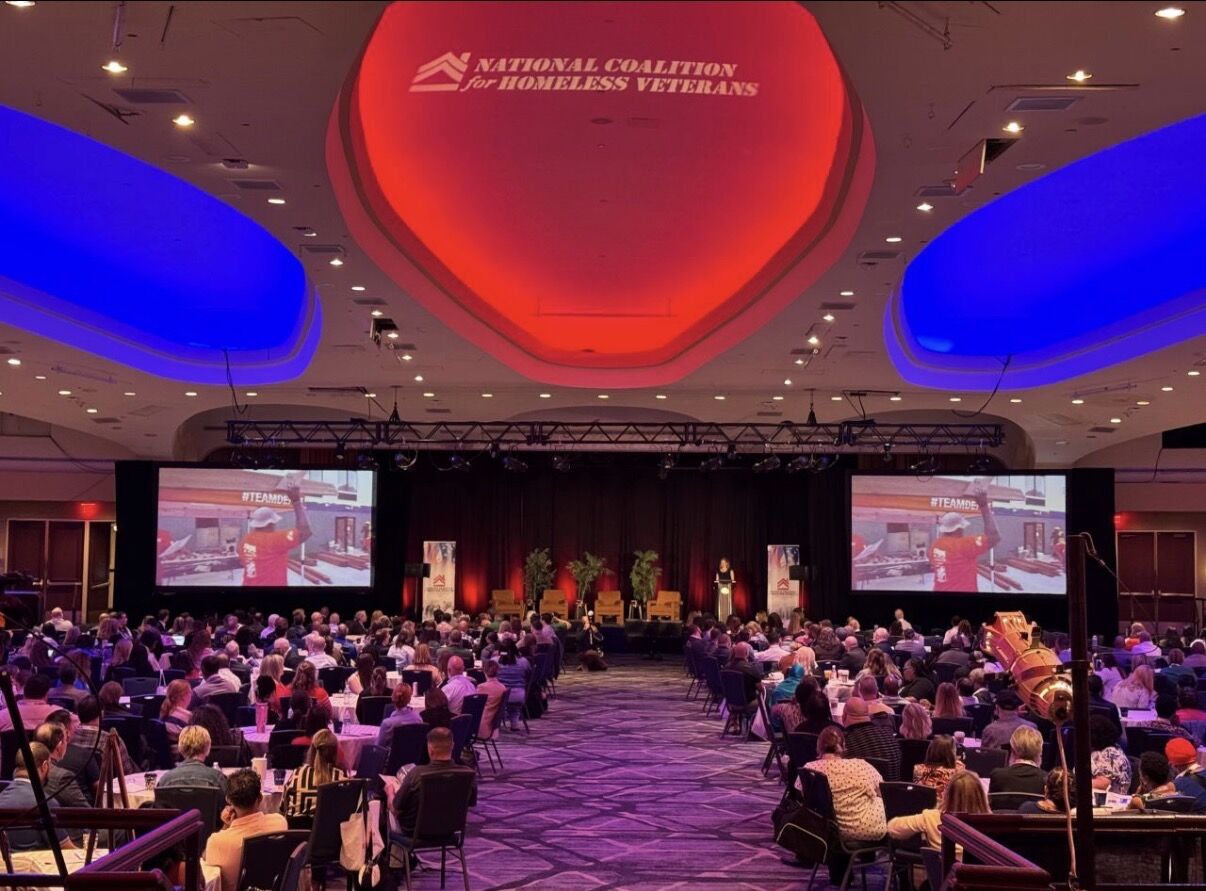
At the end of May, I had the honor of participating in the National Coalition for Homeless Veterans’ 2026 Annual Conference in Washington, DC. The NCHV Conference is one of the few times a year that service providers, researchers, public officials, and other stakeholders gather to share successes, strategies, challenges, and lessons learned in addressing veteran homelessness.
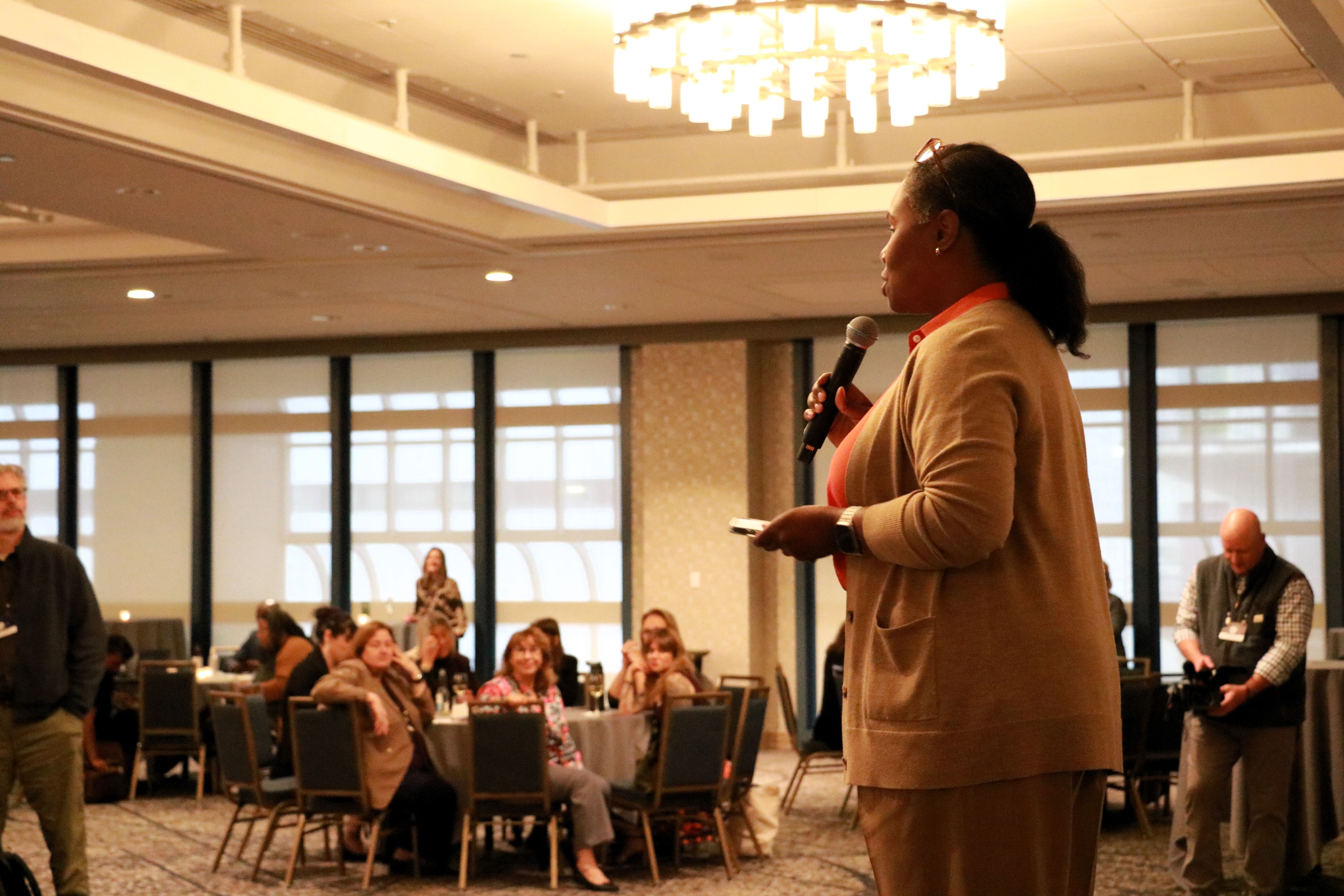
My attendance at the Conference this year started by being a presenter in the Learning Institute portion – a segment of 2-hour-long sessions. At many conferences, including NCHV, attendees bounce around to brief and informative panels on various topics. The Learning Institute is unique because it slows down the pace for attendees. It provides a deep-dive on a specific subject, such as Trauma-Informed Approaches for Substance Use Disorder and Serious Mental Illnesses, or Swords to Plowshares’ cultural awareness curriculum, Combat to Community.
Combat to Community (C2C) was developed by Swords to increase awareness about veterans as a cultural group and how our lived experiences shape interactions, trauma, and access to care. I can illustrate what this means by using Post-Traumatic Stress Disorder (PTSD) as an example. Although commonly associated with veterans, we know that PTSD is not exclusive to us. Anyone can develop PTSD, and how it manifests does not look the same for everyone. For veterans, our shared lived experiences uniquely shape how PTSD materializes. The specific ways in which we are psychologically conditioned, pressured to meet expectations, engrained to embody specific values, and pushed to interact with other servicemembers within an intense military culture are substantial factors that influence how we can experience PTSD.
Military culture, as an environmental circumstance, can potentially make trauma worse by discouraging treatment either by peer-pressure, by leadership, or the fear of being locked out of promotions. It can then re-expose you to what led to PTSD in the first place. In my own experience, when I came back from Afghanistan, I went against the commonly held advice about not being honest about your experiences. I was medically-flagged for PTSD and locked out of the pathways to promotion until I could clear that medical flag. This ended up being important for me getting service-connected disability later on in life, so it was a very delayed blessing, but I think about the soldiers who weren’t honest, scared to disclose, and how that would later translate to a harder fight for them to get service-connected disability.
C2C consolidates numerous real-life examples of veteran-specific experiences such as what I wrote above and goes in-depth on how military culture shapes the veteran identity. The lived experiences of veterans are not broadly known or taught yet understanding them is integral to addressing the root causes of our struggles transitioning to civilian life, whether it’s navigating homelessness, mental health, isolation, or unemployment. Swords’ and my goal with this training is to help those who work with veterans to better understand the context we veterans lived through, gain tools to build trust with us, and ultimately learn how to work together towards solutions to the problems we face.
Unfortunately, as a presenter, I do miss out on the other sessions that day, but the rewarding part about presenting (outside of sharing the content) is the people I get to connect with. I am greeted by professionals at all career levels – social workers, housing specialists, and many others who often serve in a front-line role. They share with me their experiences serving veterans, the ways in which C2C either validated them or illuminated their work in a light they had not seen prior.
What stands out in every interaction following the training is the interpersonal elements that people take away. They can visualize the interactions they have on the day-to-day with veterans, what may have characterized certain responses, or why things may have unexpectedly gotten intense. They can see the gaps in their understanding; I say this to emphasize the “they” also includes fellow veterans. I remember my response to C2C when I first started working for Swords, and I see it every time in the face of a fellow veteran in the audience. I describe it as a multi-dimensional moment, realizing how your own military experiences and veteran identity shape how you interact with fellow veterans and show up to your job. It’s a profound moment of reflection, and I was grateful to have brought that to NCHV this year.
Presenting C2C is a great way to kick off my time at the Conference. After the Learning Institute, I sat in on sessions like SSVF Into the Future, where the VA’s Supportive Services for Veteran Families program was discussed. There, sitting next to service providers from Texas, I heard an off-the-cuff comment that has stuck with me. While talking about why she attends NCHV, this person described the importance of bringing newer staffers to these conferences – it expands their consciousness. “Sometimes the work seems very siloed, that with some work, you can’t see the bigger impact outside of your own tasks.”
NCHV is a time where we as service providers, advocates, supporters, and veterans get to witness how our efforts culminate together to fight for the end of homelessness among veterans. The siloes are pulled down, giving attendees a bird’s-eye view of their own impact they otherwise may not have seen.
Swords was proud to co-host the inaugural Bob Woodruff Foundation National Got Your 6 Summit with the foundation and Craig Newmark Philanthropies.
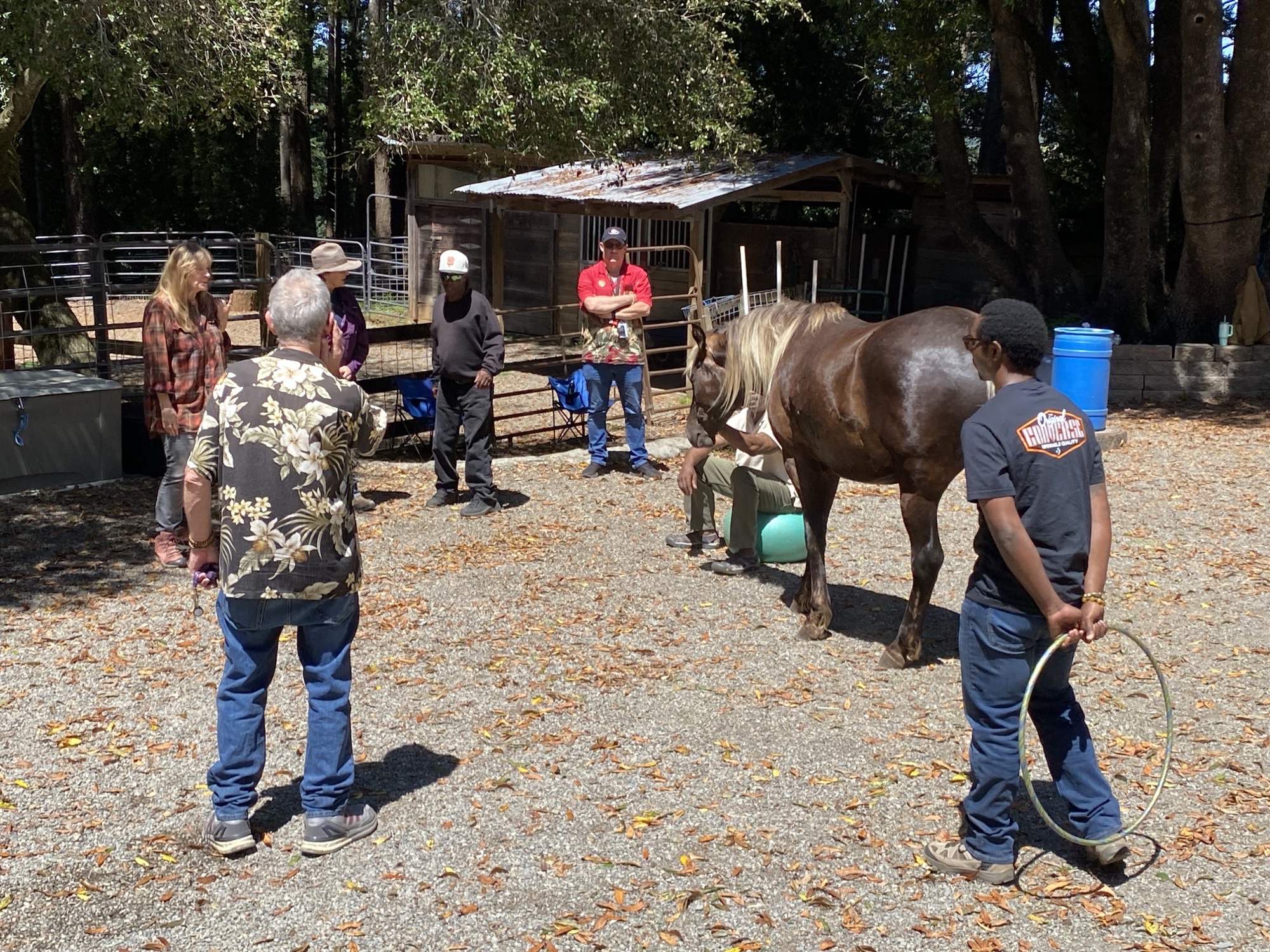
The non-clinical approach to mental healthcare brings veterans a heartwarming way to heal.
Veterans’ stories, updates, and impact, delivered to you each month.

.svg)
.svg)