5 min read
Let's Go #GotYour6!
Swords was proud to co-host the inaugural Bob Woodruff Foundation National Got Your 6 Summit with the foundation and Craig Newmark Philanthropies.
Read more
October 1, 2026

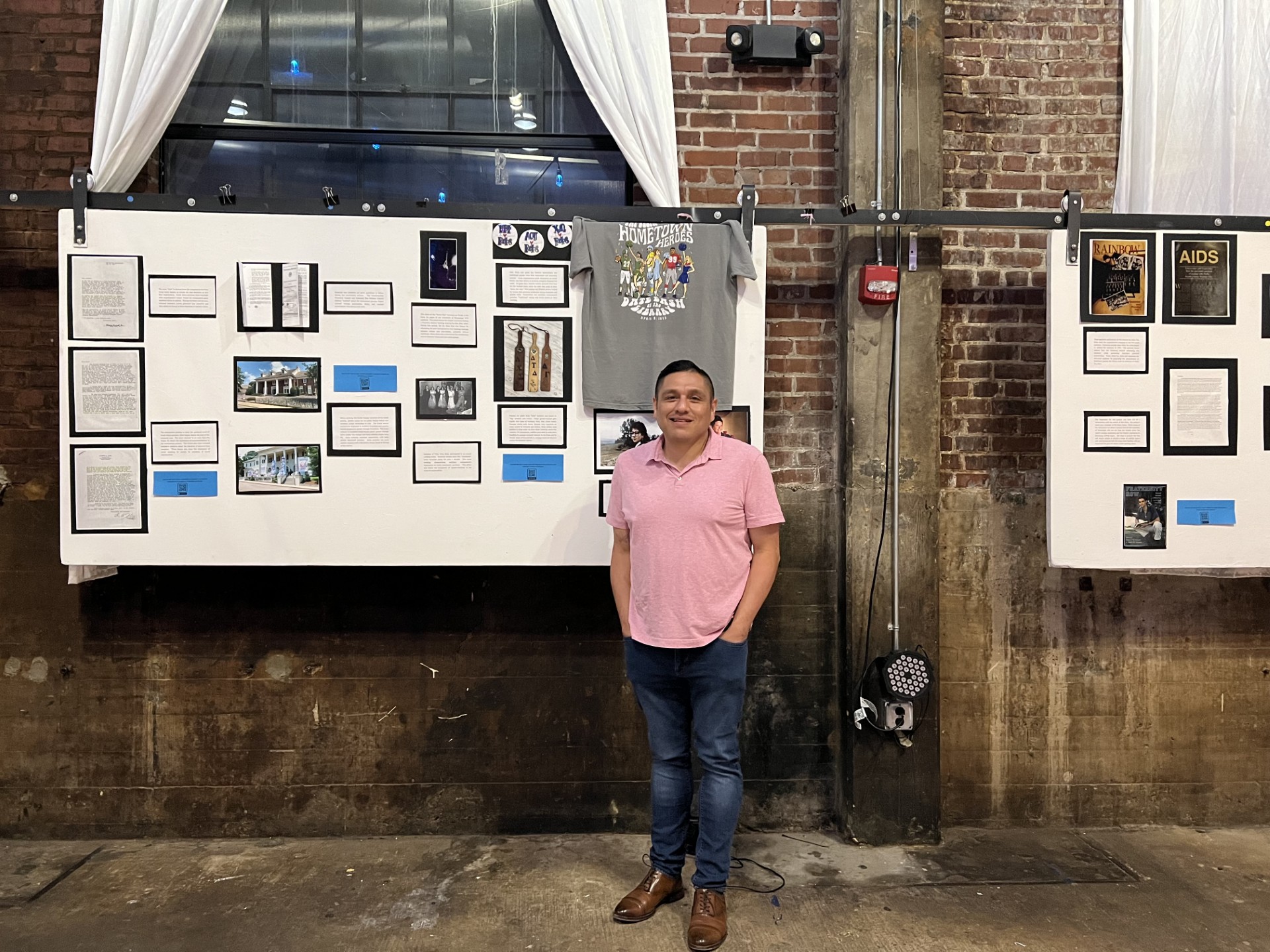
Meet Paul, an Army veteran working to preserve LGBTQ+ veteran history in the Bay Area.
For Paul Mora, history is more than just a subject of study. It's a way of ensuring that knowledge, contributions, struggles, and memories are not lost.
A U.S. Army veteran and current PhD candidate in history at the University of Mississippi, Paul lives in San Francisco to work on his dissertation documenting an often-overlooked chapter of American history: the role veterans have played in LGBTQ+ civil rights movements.
His research centers on Leonard Matlovich, the decorated U.S. Air Force veteran whose public fight against military discrimination in the 1970s became a landmark moment in the struggle for broader LGBTQ rights. Through archival and public history work, Paul hopes to encourage both veterans and LGBTQ+ advocates to recognize the deep connections between their communities.
Paul didn't set out to become an expert in LGBTQ+ veteran activism, but when he dug deeper into the past, the untold histories that popped up made the importance of focusing on this apparent. As a veteran himself, his academic work is personal.
"When you're not sharing your story, you forget it," Paul says. "When we write our own history down, no one can take it away."
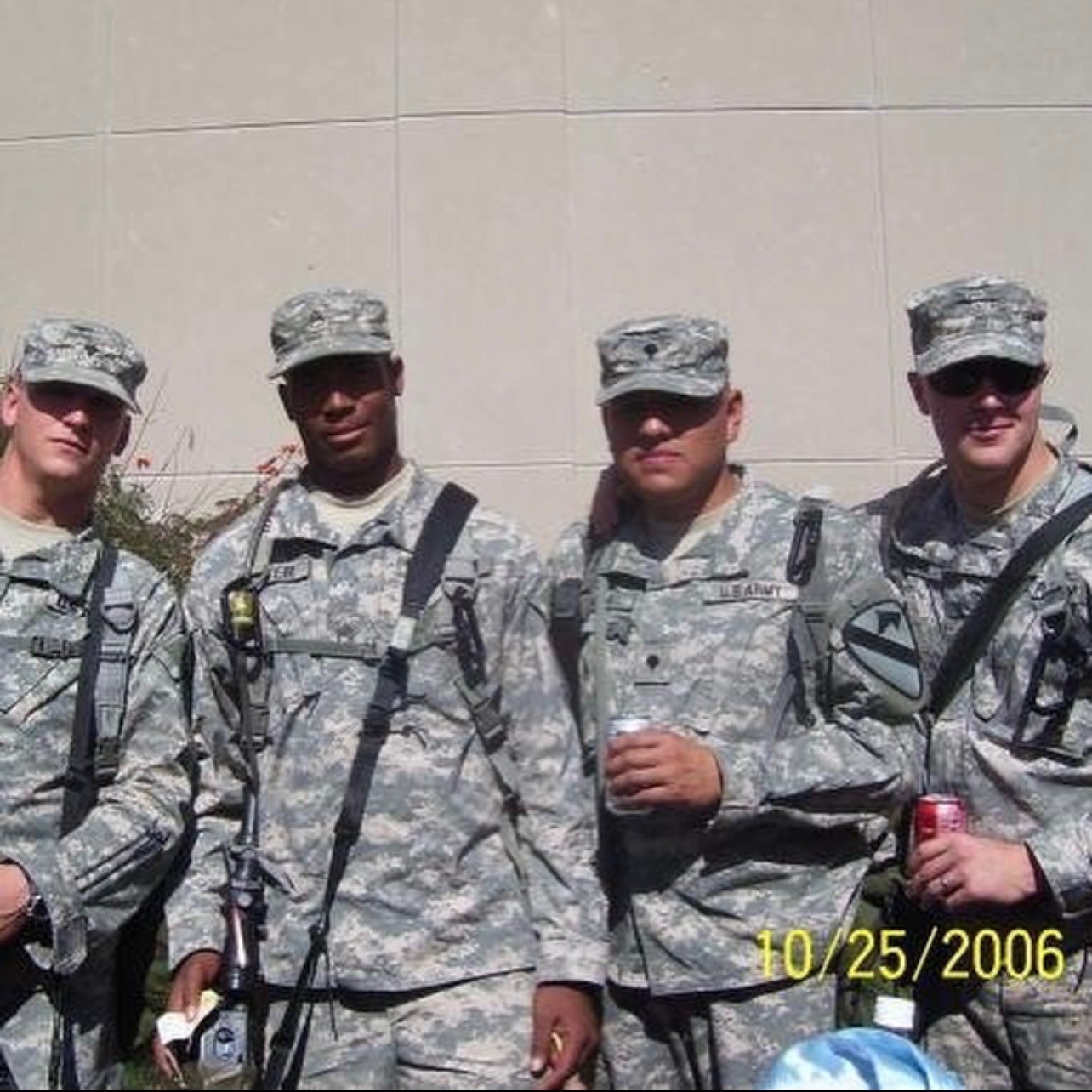
Paul served six years in the U.S. Army (2003-2009), deploying to Iraq once. As a gay Latino man, he found that many aspects of military life felt surprisingly familiar.
"Being gay, I grew up feeling like I had to constantly prove myself," Paul explains. "In the military, you have to do that too. I was better equipped mentally to handle that than many of my peers."
Growing up in a predominantly white town of Clovis, California, he learned early the importance of responsibility thanks to his Latino upbringing where he'd be held accountable by an extended family of elders, neighbors, and friends. Those experiences, navigating a tightly knit communal structure, translated naturally into military service.
The Army provided Paul stability and a strong sense of purpose. When his military service ended because of issues requiring ongoing medication, he even attempted to reenlist. Today, he believes many assumptions about veterans fail to capture the reality of their experiences and capabilities.
"When someone hears you’re a veteran or have PTSD, they assume you’re not functional," Paul smiles – "I take pride in proving that wrong."
Now a doctoral candidate in the history department at Ole Miss, Paul focuses on the intersection of military service and LGBTQ activism.
His dissertation examines the life and legacy of Leonard Matlovich, whose fight against military policies barring gay service members became one of the most visible LGBTQ civil rights cases of the twentieth century.
For Paul, Matlovich's story represents something larger. It demonstrates how veterans have often been at the forefront of movements for social change, even when their contributions are overlooked.
He argues that many people within the broader LGBTQ community are unaware of the significant role veterans played in advancing LGBTQ rights. "I think the LGBTQ community and the veteran community need to come together more," he says.
That belief drives much of his work. He hopes his research encourages new conversations about why veterans are often underrepresented in discussions of LGBTQ activism even though figures like Matlovich helped lay the groundwork for many of the civil rights victories that followed.
Beyond his dissertation, Paul is committed to making history accessible to the public.
One of his projects is an interactive, research-based map documenting locations across San Francisco that played important roles in LGBTQ veteran history. The project allows users to explore the people, events, and organizations that helped shape both veteran advocacy and LGBTQ rights in the city.
Click here to interact with the map: San Francisco's LGBTQ+ Military and Veteran History.
At its core, Paul's work is about connection.
He wants veterans to see themselves reflected in history. He wants LGBTQ advocates to recognize the contributions veterans have made to their movement. And he wants future generations to inherit a more complete understanding of the people who fought for change.
History, he argues, is not simply about looking backward. It's about ensuring that communities understand where they came from and how they arrived where they are today. Through his scholarship, public history projects, and advocacy, Paul is helping ensure that the stories of LGBTQ veterans remain part of that history for generations to come.

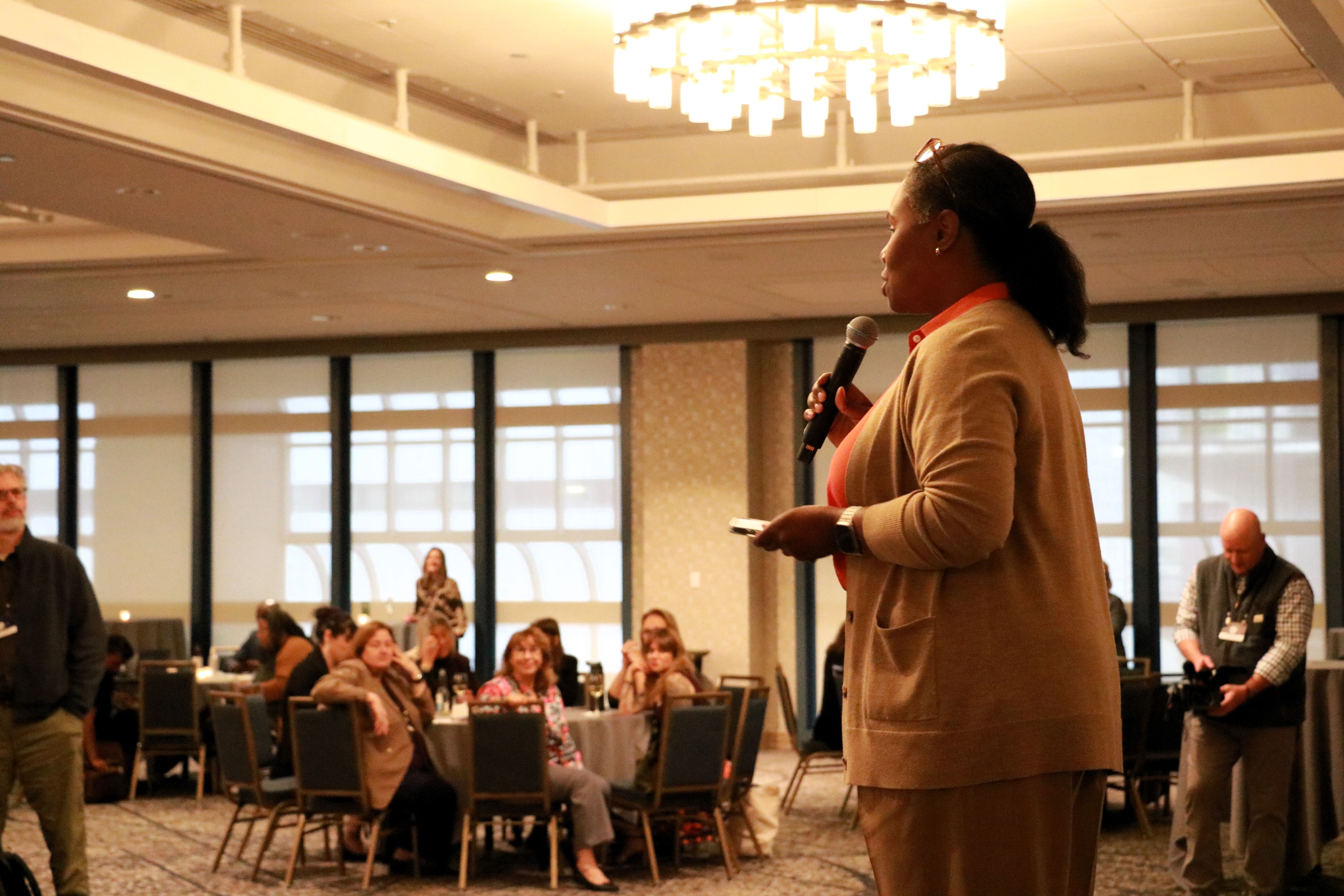
Swords was proud to co-host the inaugural Bob Woodruff Foundation National Got Your 6 Summit with the foundation and Craig Newmark Philanthropies.
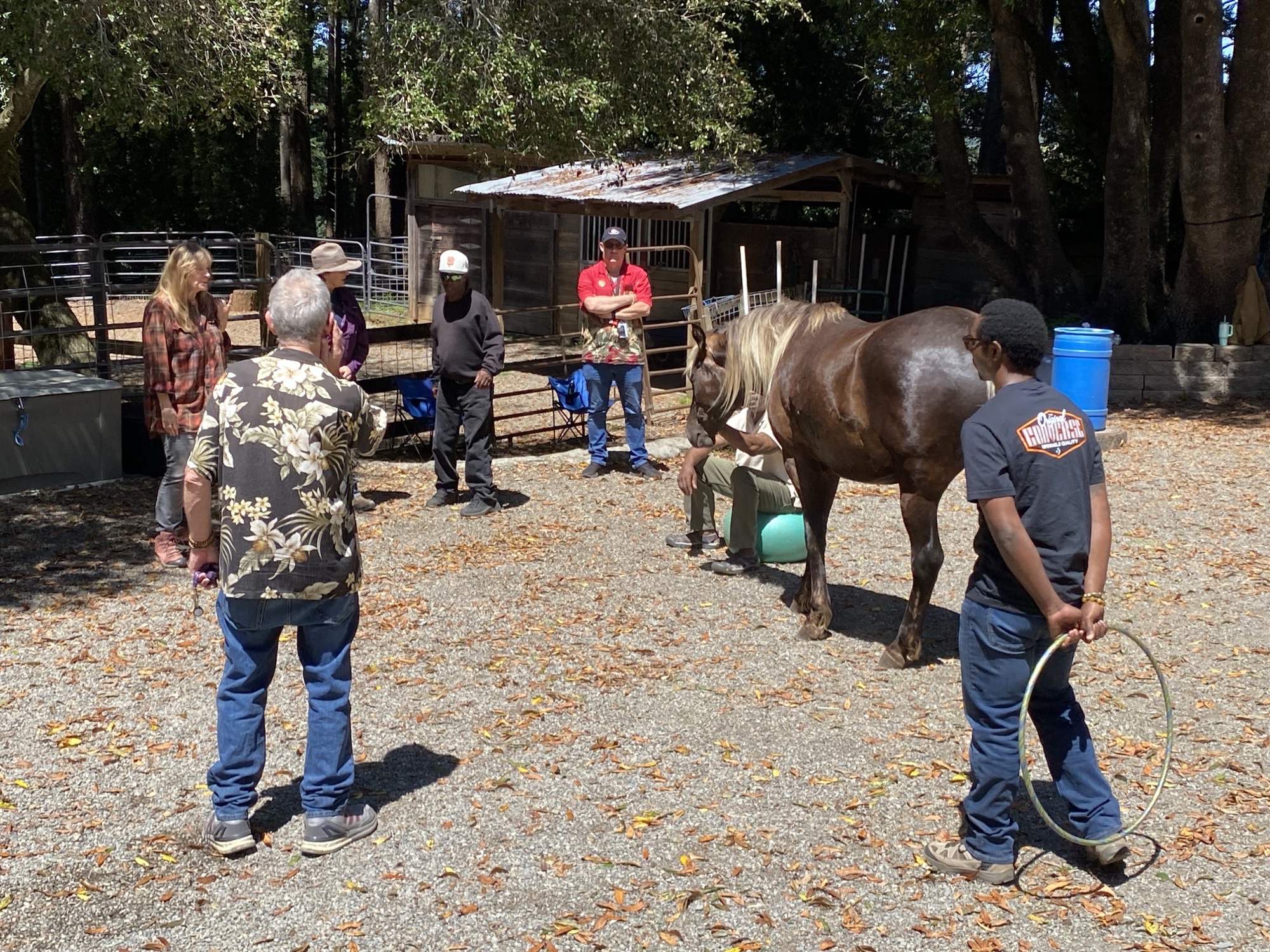
The non-clinical approach to mental healthcare brings veterans a heartwarming way to heal.
Veterans’ stories, updates, and impact, delivered to you each month.

.svg)

.svg)