5 min read
Let's Go #GotYour6!
Swords was proud to co-host the inaugural Bob Woodruff Foundation National Got Your 6 Summit with the foundation and Craig Newmark Philanthropies.
Read more
October 1, 2026

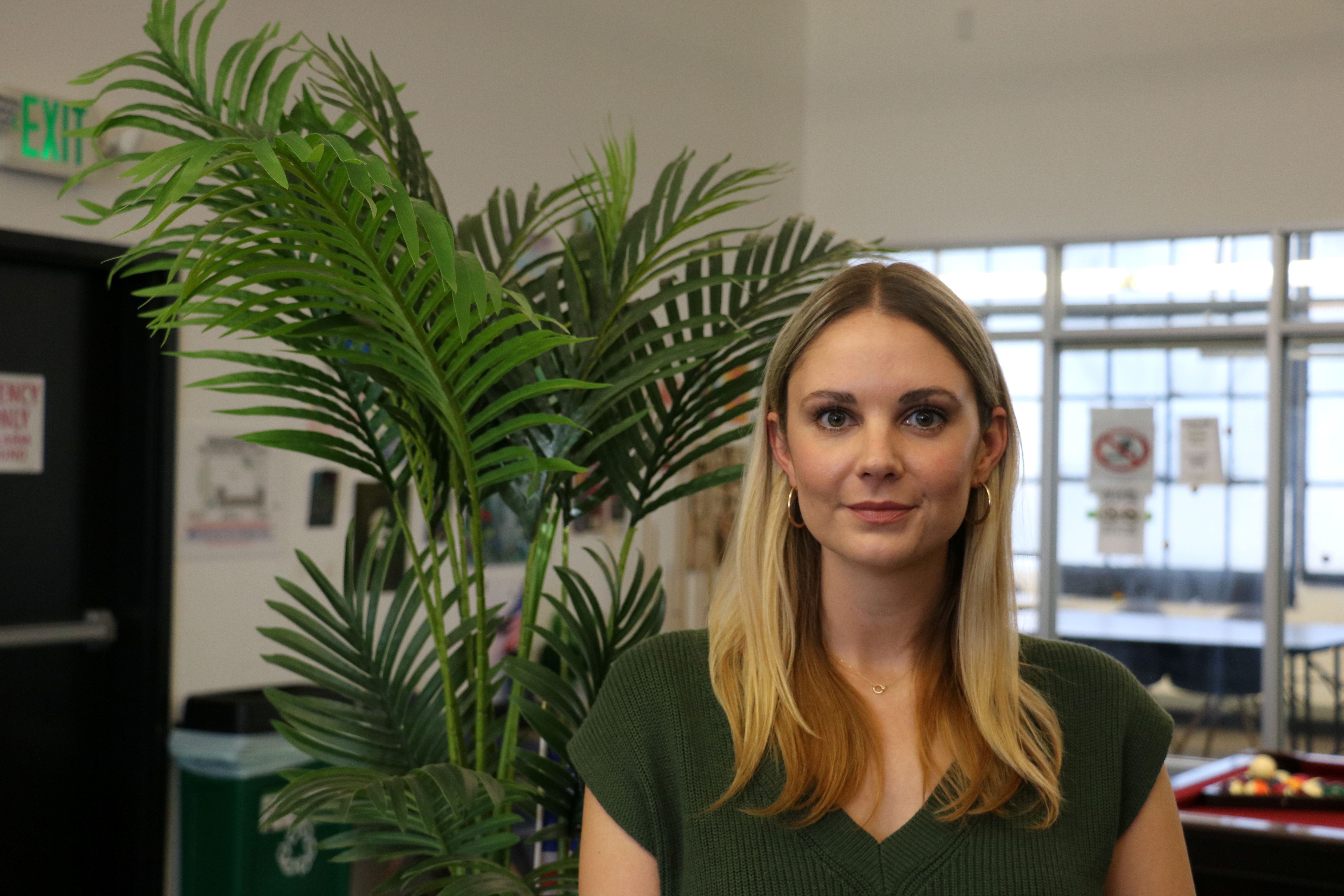
As an attorney in Swords' Legal Unit, I regularly work with veterans that receive critical support from San Francisco's Veterans Justice Court. Two key positions at the Court are projected to be cut in the coming fiscal year.
Every Thursday morning, the legal clinic at Swords to Plowshares welcomes veterans looking for support in accessing VA benefits and obtaining discharge upgrades. During the clinic, we often meet with veterans brought by their case manager from the San Francisco Veterans Justice Court (VJC). These veterans are almost always in active mental health treatment with their therapist - also a part of the VJC. Together, Swords and the VJC work to help veterans transition out of the justice system, advocate for their VA eligibility, and gain lifelong stability.
My name is Megan O’Leary. I’m the Supervising Staff Attorney at Swords to Plowshares, a proud San Franciscan, and the daughter of a Vietnam-era veteran. I’m writing because our partnership supporting justice-involved veterans with the VJC is now at risk.
What is the Veterans Justice Court? The San Francisco Veterans Justice Court (VJC) is a diversion program that gives criminal defendants who served in the military an alternative to criminal court. Instead of moving through the criminal legal system, veterans are connected to treatment, mental health care, and support services - addressing the root causes of what led them into the justice system. If successful in following their treatment plan, they graduate from the VJC, and their criminal case is dismissed.
Two key positions at the VJC, the case manager and therapist, are slated to be cut due to loss of funding through the City’s Human Services Agency (HSA). If these positions are cut, a whole population of vulnerable San Francisco veterans will be ineligible for VJC, including many who are struggling with military service-related mental health issues and are living unhoused.
I’ve worked closely with the VJC since 2019, when I helped build a partnership between Swords’ legal team and the court. I’ve seen firsthand how critical this program is in the lives of veterans who are experiencing homelessness, and how much they depend on these two HSA-funded roles.
The Veterans Justice Court works because it meets these people where they are and connects dots quickly. A veteran enters the program. They’re connected to a therapist who assesses their wellbeing and needs. A case manager guides them through resources, such as Swords’ legal services. Over time, things begin to stabilize.
For veterans who are eligible for VA benefits, these services are provided by VA staff, such as VA mental health providers and social workers. The VJC therapist and case manager work with the veterans who aren’t eligible for VA benefits, oftentimes because they received less than honorable discharges when they exited the military. Because of their discharge status, these veterans are often unable to access VA benefits, leaving them to depend on city-funded services instead.
Many veterans with less than honorable discharges experienced trauma during their service - combat exposure, military sexual trauma, discrimination due to race, gender, or sexual orientation - and received little-to-no support while in the military. Some coped with that trauma in ways that later resulted in their discharge status, such as smoking marijuana to self-medicate mental health symptoms. Years later, these same veterans still lack the support they need to heal; they’re more likely to be unhoused, navigating serious mental health challenges, and cycling through the justice system.
Did you know? Each year, the legal team at Swords secures tens of millions in lifetime VA disability income for local veterans - nearly half of whom received less than honorable discharges.
The injustices these veterans experienced during their military service persist afterward as the VA denies them services and benefits. However, San Francisco has made a commitment to not perpetuate this injustice and in turn help these veterans by providing services through HSA. Without these continued services, only veterans eligible for VA benefits will be eligible for VJC.
If the case manager and therapist roles are cut, critical hands-on coordination and access to lifesaving resources disappear. Veterans who are unable to access VA support will be left with fewer options and fewer pathways forward. More will end up back in jail. More will remain on the streets. And the cycle we know how to interrupt will continue.
Swords to Plowshares urges the Mayor of San Francisco to continue funding the case manager and therapist roles to preserve the VJC as it was intended: a pathway to stability for all veterans, especially those who have the fewest options.
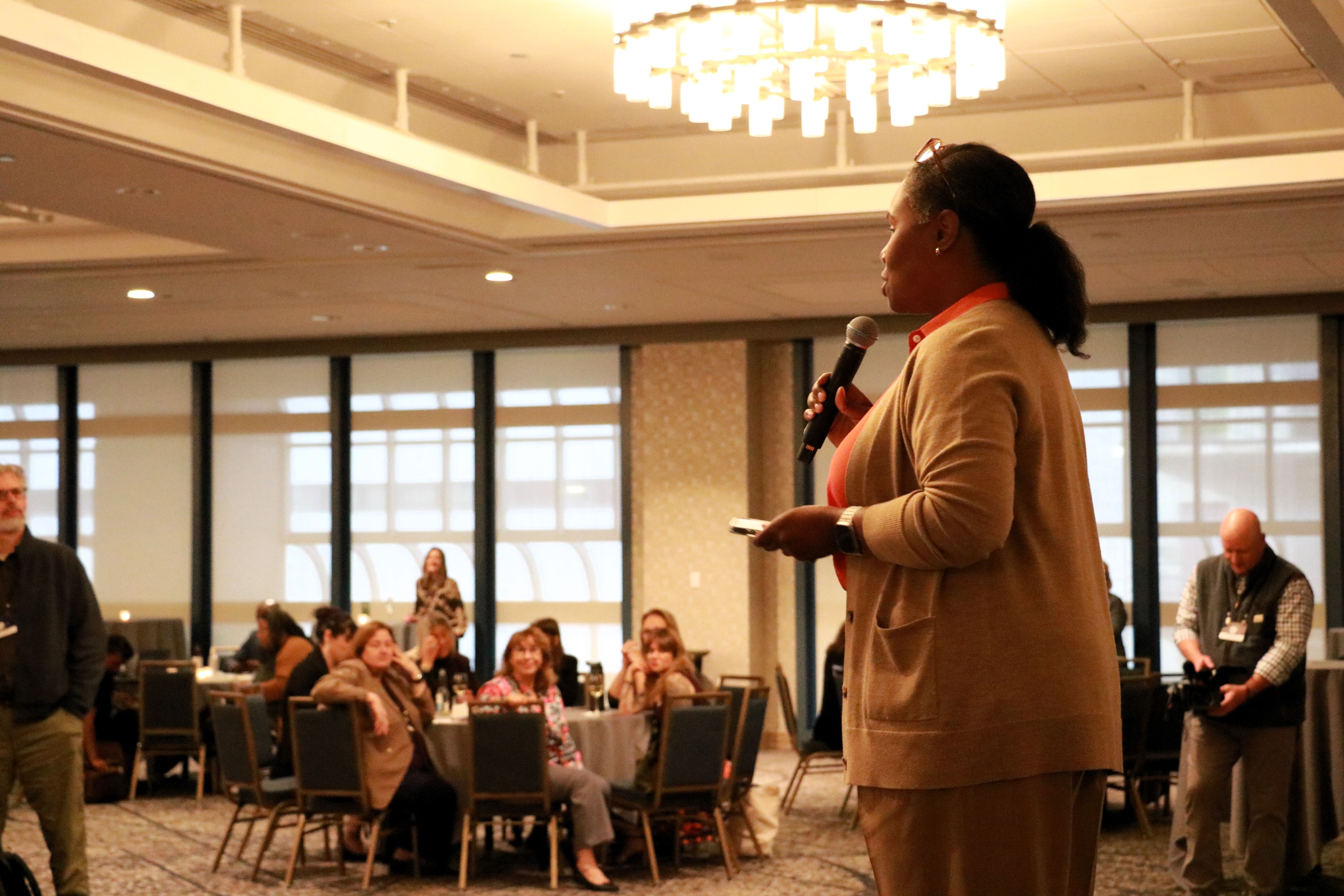
Swords was proud to co-host the inaugural Bob Woodruff Foundation National Got Your 6 Summit with the foundation and Craig Newmark Philanthropies.
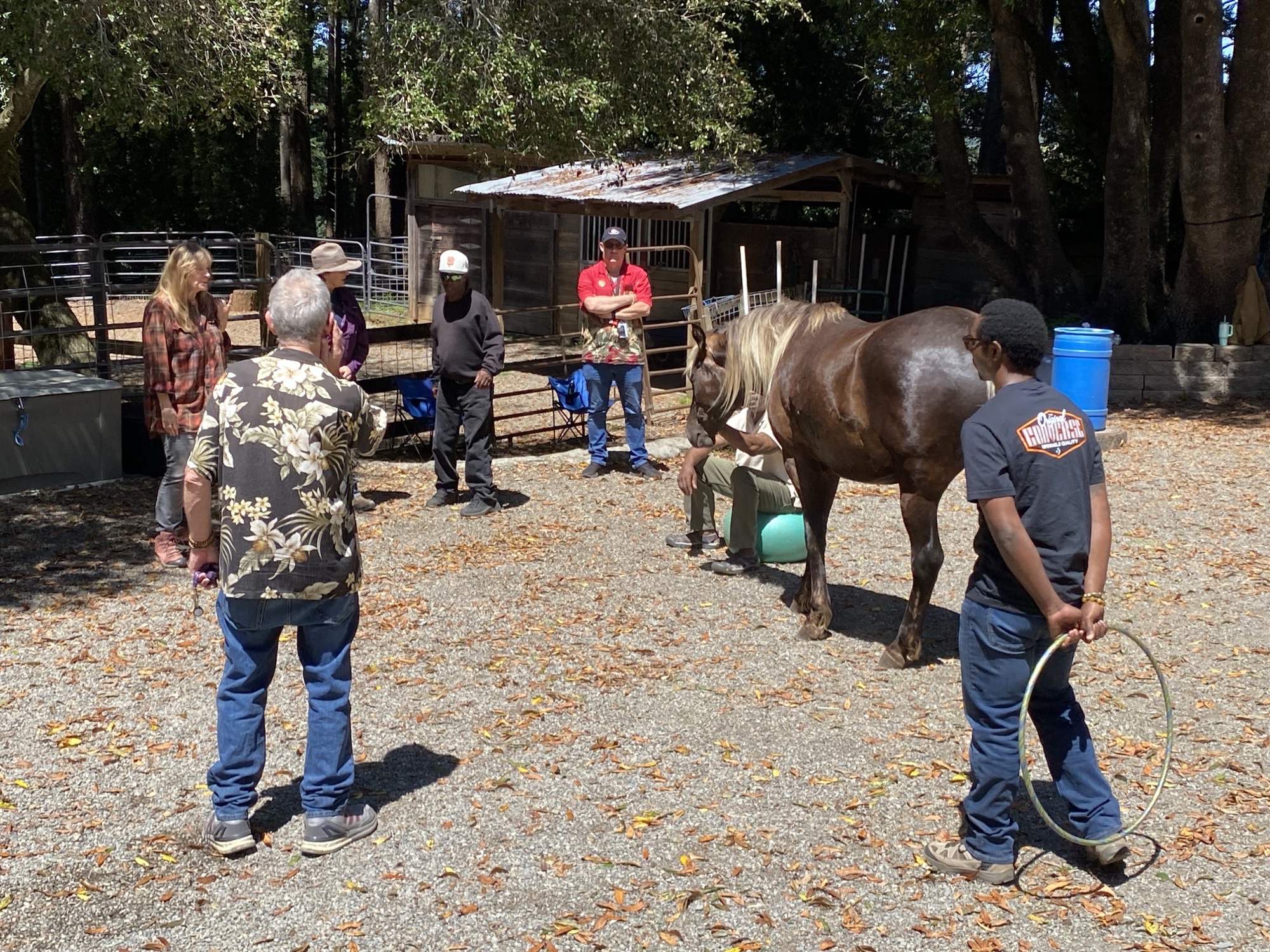
The non-clinical approach to mental healthcare brings veterans a heartwarming way to heal.
Veterans’ stories, updates, and impact, delivered to you each month.

.svg)
.svg)