
Thank you! Your submission has been received!
Oops! Something went wrong while submitting the form.
For highly acute individuals, stable housing requires more than a unit — it requires ongoing care, coordination, and community.
In 2023, in partnership with CalVet, we launched a statewide housing pilot that increased services within veteran-specific permanent supportive housing – aiming to address the needs of the growing populations of at-risk and aging veterans in California.
.png)
This pilot exists because veterans and service providers advocated for a better model to meet unmet and emerging needs - and because the state invested in proving what works. The second-year findings of the pilot, conducted by RAND Corporation, show the pilot's success and provide a blueprint for advocacy.
$20 million in competitive grants were awarded to 4 veteran services organizations across California: Swords to Plowshares (San Francisco), Nation’s Finest (Sonoma and Sacramento), PATH (San Diego), and U.S. VETS (Los Angeles, Riverside, Inglewood, and Long Beach).
.png)
By 2025, 515 veterans were enrolled in the pilot to receive its comprehensive services. Services include: transportation to health appointments and grocery shopping, in-unit habitability assistance, onsite mental health and peer specialists, increase in social activities.
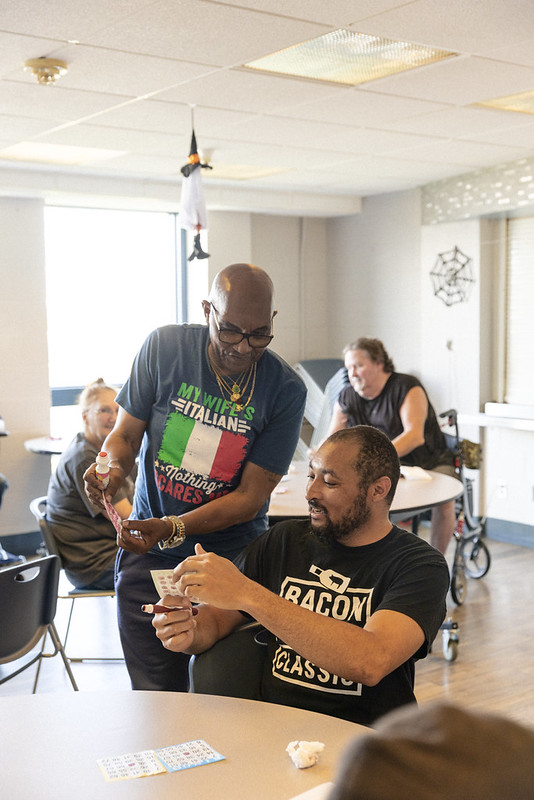
The pilot also aims to decrease staff burnout by hiring more professionals.
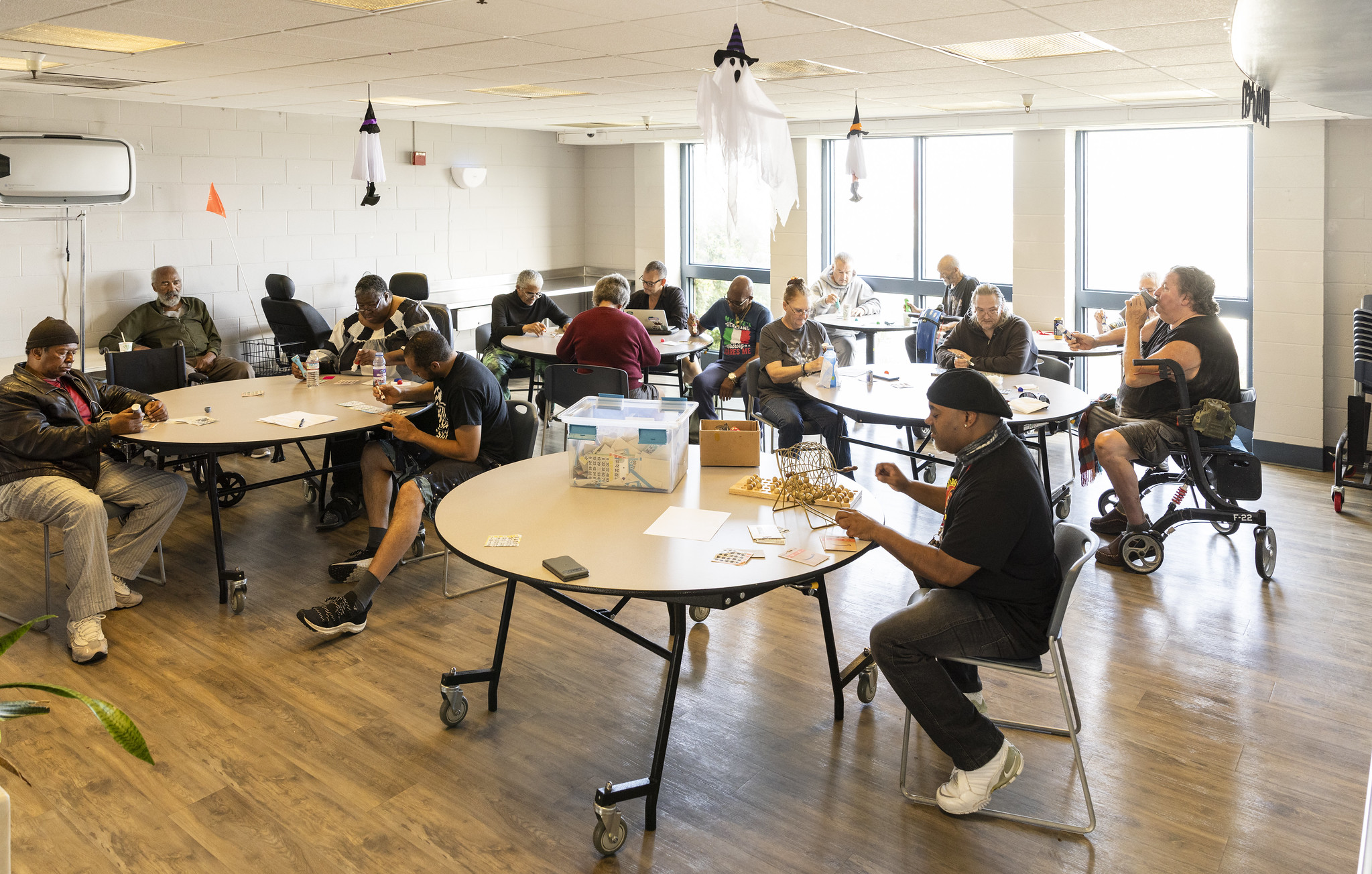
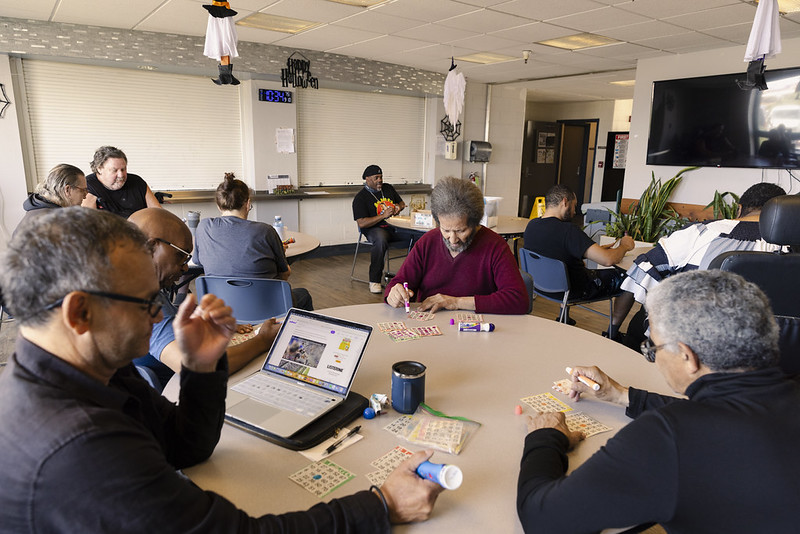

“This staff, they've helped me through a lot of things. I can call them right now and they would be at my front door with no problem. And with any, anything I request, they would have it for me. Any problem I have, they would help me solve it. And if they can't help me, they'll find somebody that can. They go above and beyond to call a dude to help.”
“I don't know what I'd do … food prep, right now I just don't have the energy to do my own, so I'd be stuck getting whatever I could from the grocery store, you know. I wouldn't have any options really.”
.svg)
.svg)
©2025 All Rights Reserved
.svg)